

In order to follow him, Jesus asks his disciples for total dedication. As an example, he tells us that to be worthy, we must love him more than we love our parents or children. He doesn’t expect us to abandon them, only to have so much love for Jesus that it spills over into our family, allowing us to love them more deeply. But we can be so dedicated to Jesus that he comes first. That means that if we lose a family member through death or divorce, we still maintain our faith in the Lord. If we see someone in our family straying from the faith, we try to help them return through our prayers, example, and encouragement. If our spouse tries to lead us toward sin, we have the courage to defend the faith.
Then Jesus gives the example of three kinds of disciples. First come the prophets. They are people who have lived the faith and can teach others the wisdom they have learned. They can be good counselors who advise us, teachers who inspire us, or leaders who encourage us to follow Jesus. While we may not have these qualities, Jesus promises to reward all who follow their advice, learn from their teachings, or follow Jesus because of them.
Second come the righteous, those who teach us by their example of a quiet life. Many good parents practice this kind of discipleship. Children may not listen to their parents’ advice, but they still grow up with memories of how they lived. If we imitate the best of our parents’ ways, we will receive the reward of the righteous.
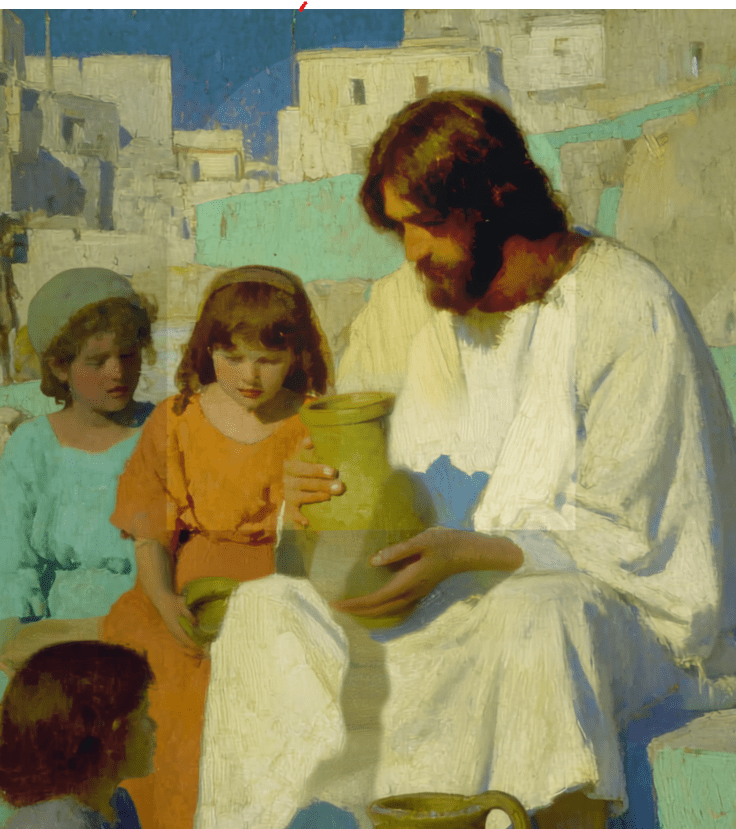
Finally, come the “little ones.” These people, like children, follow Jesus with great joy and love. They may not be leaders or always do things right. They may be elderly or disabled. In their weakness, they show us the power of the Lord. When we respect and value them, we can see Jesus in them. And every time we can experience Jesus through another person, it is a wonderful reward for a disciple.
By Tom Schmidt, Diocesan Publications